
Biography
Mikael Jihann
Born Mikael Krikor Djihanian · Cairo, 15 March 1934 – 13 May 2019
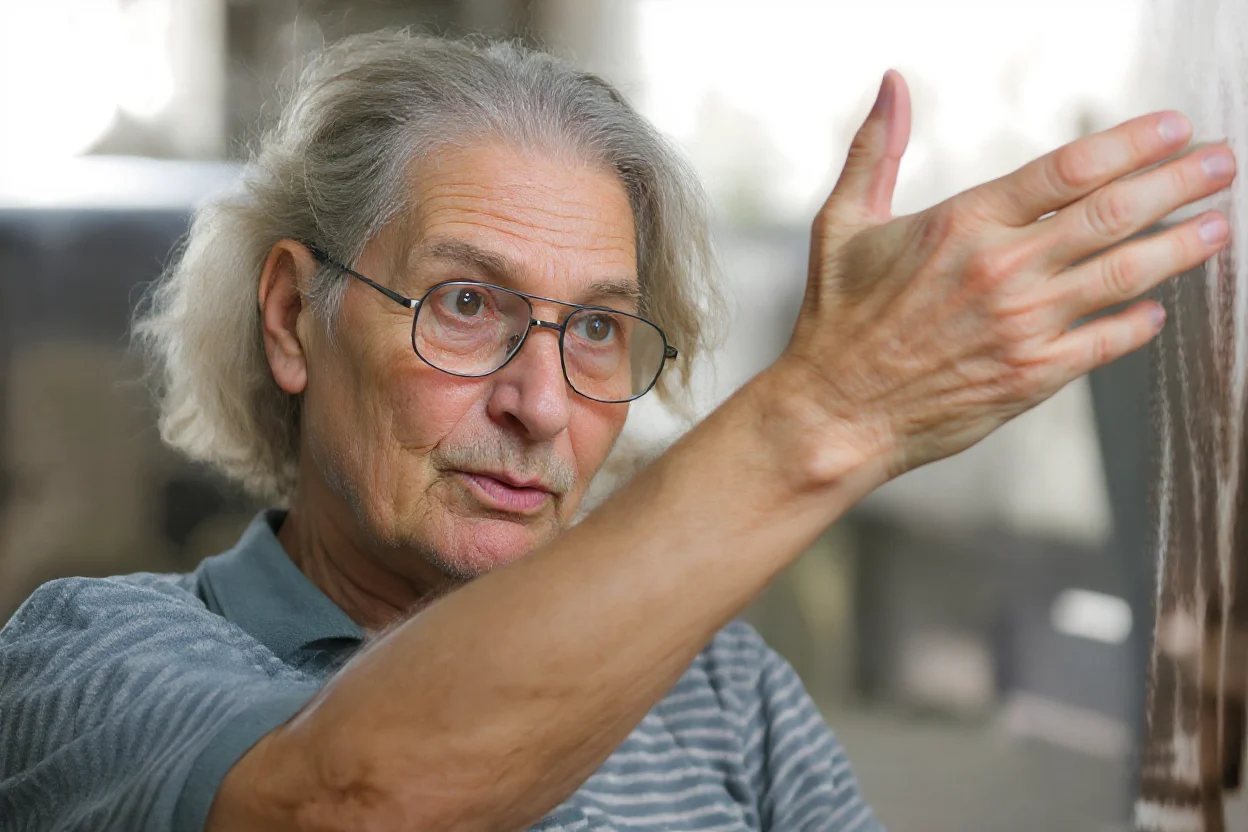
A French-American surrealist painter of Armenian descent. His work traces a life shaped by exile, political restraint and the eventual discovery of artistic freedom: a journey from silence to expression.
Five cities, one vision
- 1934Cairo, Egypt
Born Mikael Krikor Djihanian into an Armenian family on 15 March.
- 1947Soviet Armenia
Emigrates with his family under the post-war repatriation program. His art forms under a regime that watches every brushstroke, and he learns to keep his inner vision quiet.
- 1957Moscow
Studies classical and contemporary technique, and discovers, often indirectly, Western modernists such as Dalí. The tension between imagination and restriction becomes his subject.
- 1968France
Leaves the Soviet sphere. Free of ideological control, he develops his mature language and gains recognition across Europe.
- 1984United States
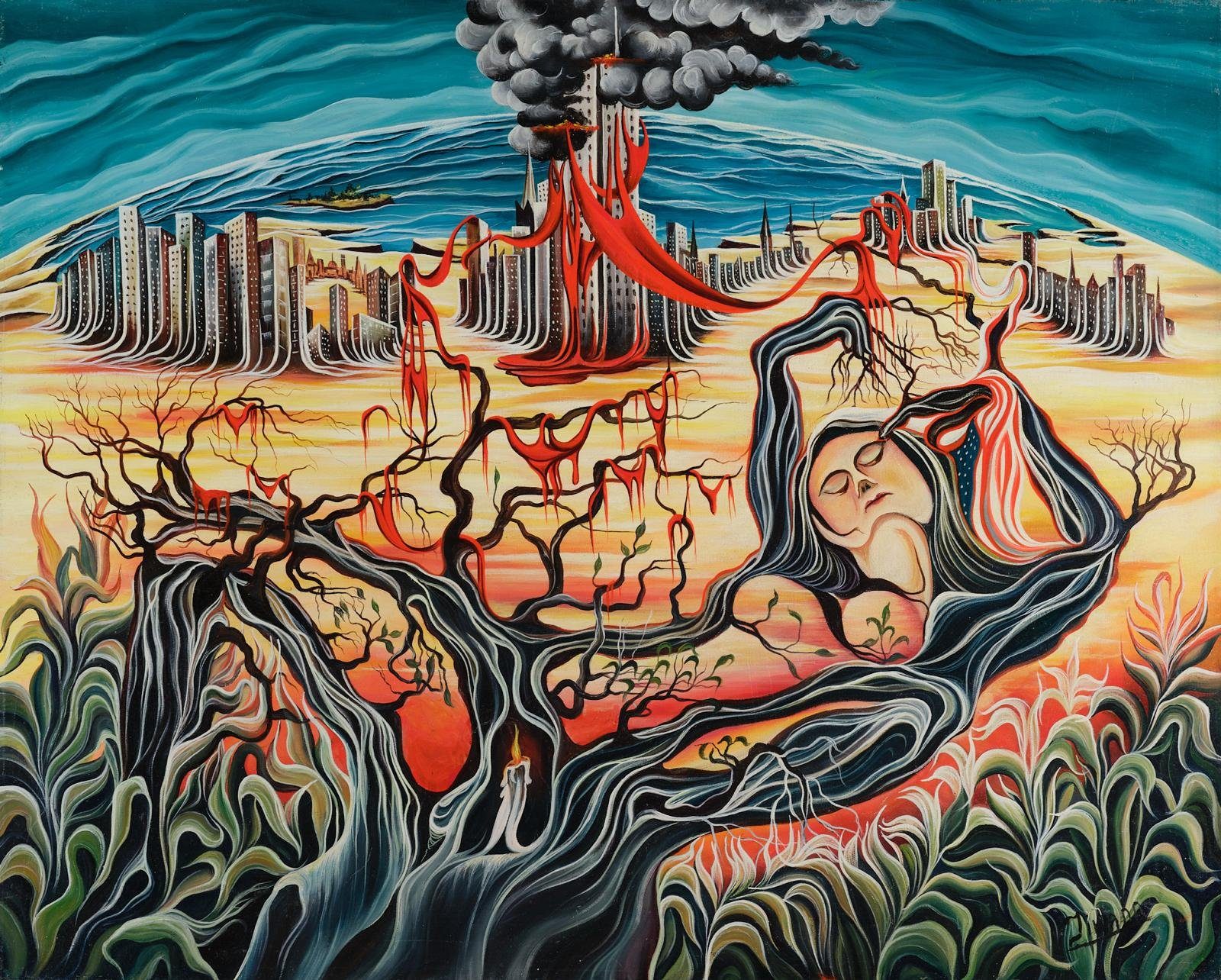
Settles in America and paints on for three more decades, his work shaped by the memory of the Armenian Genocide and by questions of humanity’s moral condition.
- 2019Legacy
Dies on 13 May. His paintings remain, as he believed art must: enduring where matter does not.
The enigmatic method
Composition
The science of harmonious design and the foundation of everything he made. Through composition his ideas gain structure, balance and symbolic coherence.
Distortion
Never mere exaggeration: an emotional, symbolic instrument for confronting brutality and moral corruption, and the conviction that humanity is its own greatest adversary.
The idea as form
Art is memory and idea before it is material. Meaning precedes the object, which places his work in an enigmatic mode of expression.
An inner vision
A painting begins not with nature but with an idea, matured through sketches and studies into a construction of memory, emotion and thought.
Beside the viewer
He composes from the beholder’s standpoint. Several realities share one canvas, inviting active looking rather than passive consumption.
Fragments of reality
Events are distilled to their emotional essence. Small human figures animate the space and add tension without overwhelming it.
Enigmatic Surrealism
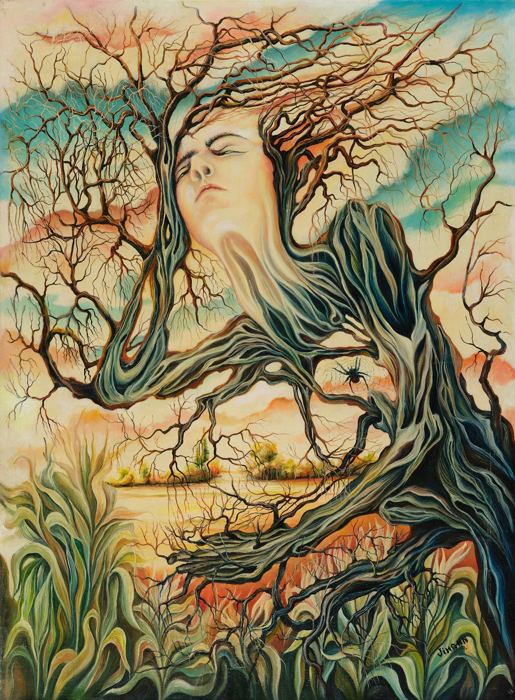
Critics saw him as the originator of a language that joins Surrealism to an enigmatic sensibility, built by deliberate composition rather than automatism.
Studies first
Sketches serve as a store of motifs and gestures. Structure is set on paper; color is found directly on the canvas.
Freedom of color
Expressive depth, deliberate distortion and above all free handling of color, in a realism that evokes the weight and fragility of human life.
“Art renders visible what lies beyond the visible.”
Paul Klee, a principle at the core of Jihann’s practice
Exhibitions
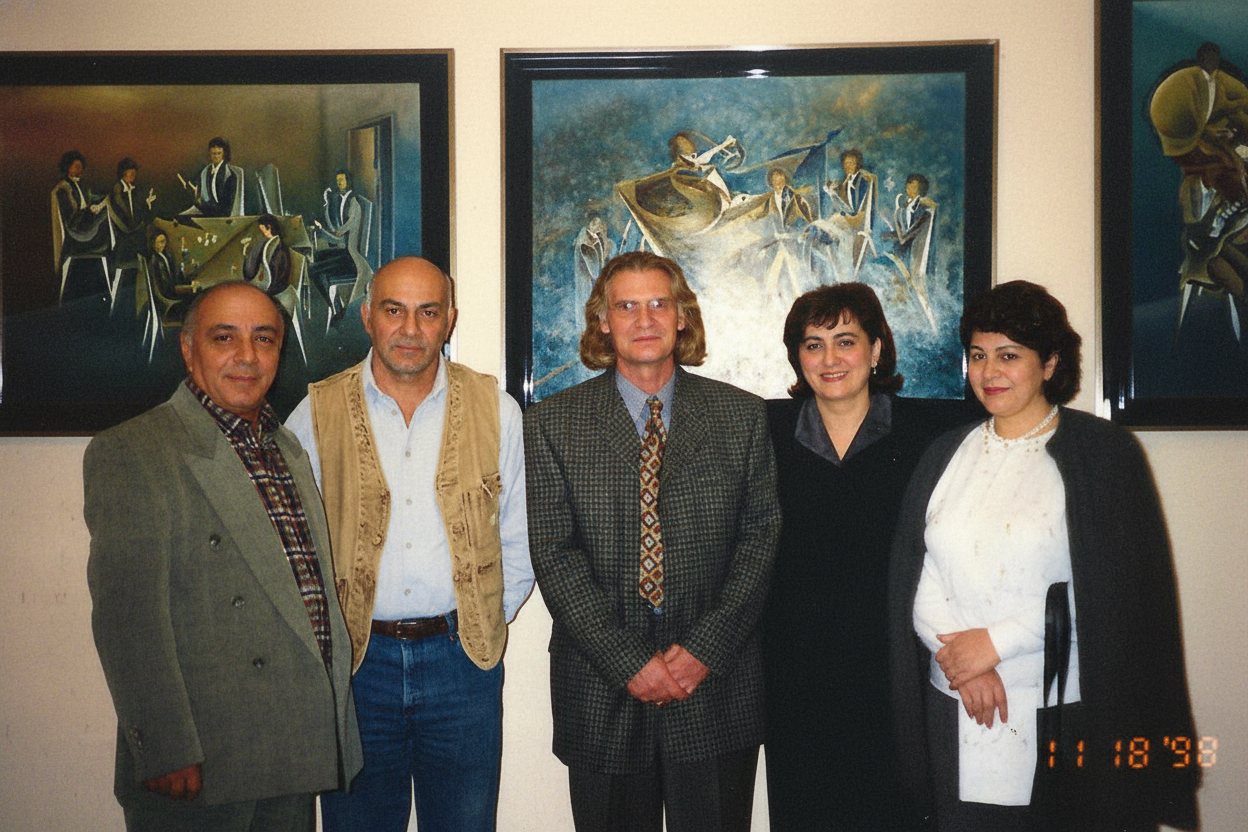
Recognized across Europe from the 1970s, his exhibitions in England in the early 1980s led critics to name his work an enigmatic style of Surrealism.